
PRP Hair Treatment in the UK
A non-surgical treatment that uses platelet-rich plasma prepared from your own blood, injected into the scalp to support the hair you still have.
Treatment is carried out at Crown Clinic and starts from £500 per session.
- Outstanding rated by the CQC
- GMC-registered Surgeon
- Non-surgical hair loss treatment
- 20+ Years' Experience
PRP At A Glance
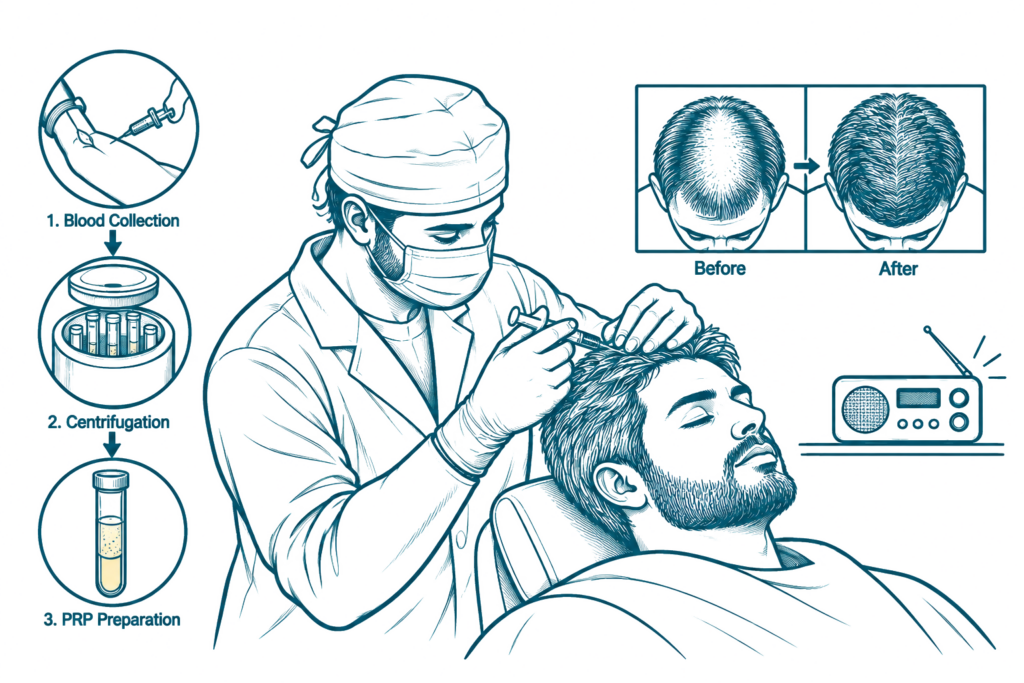
A precise, non-surgical treatment prepared from a small sample of your own blood and injected into the areas of the scalp being treated.
Starting from £500
-
Treatment type
Non-surgical injectable
-
Blood sample
Approximately 8-10 ml is taken from your arm
-
Treatment time
Approximately 60 minutes
-
Going home
Shortly after your appointment
Your PRP Treatment Journey
Each step of your PRP treatment is carefully managed, from assessing your hair loss to delivering platelet-rich plasma into the selected areas.
-
Consultation
Your first appointment assesses the pattern and cause of your hair loss, medical history, scalp health, previous treatments, medication and expectations. If an underlying condition requires investigation, this should be addressed before PRP treatment begins.
-
Blood sample
A small blood sample is taken from your arm, similar to a routine blood test. Crown Clinic's current treatment information describes using approximately 8 ml of blood for the procedure.
-
Centrifugation
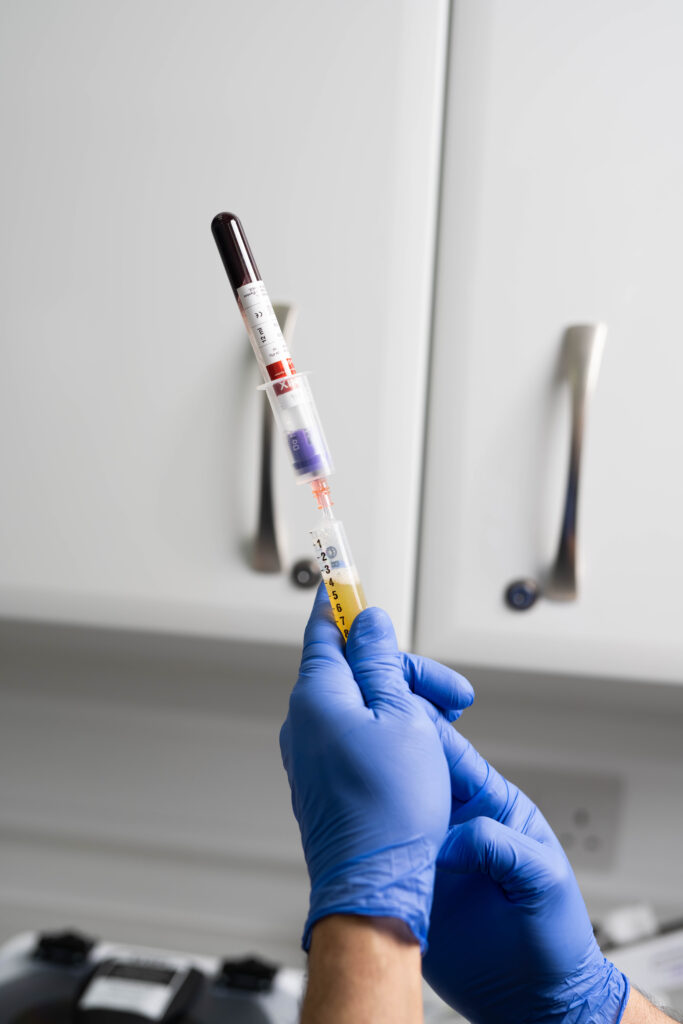
The blood sample is placed in a centrifuge, where rapid spinning separates its components and produces platelet-rich plasma containing concentrated platelets from your own blood.
-
Scalp preparation
The treatment areas are identified and the scalp is prepared before injection. The planned injection pattern is based on the location and extent of your hair thinning.
-
PRP injections
Small amounts of prepared PRP are injected into selected areas of the scalp using multiple injection points to distribute the treatment across the targeted areas.
-
Going home
PRP is a non-surgical outpatient treatment that currently takes approximately 60 minutes at Crown Clinic. Patients can normally leave shortly after the procedure is completed.
Doctor-led PRP Treatment
Every PRP course begins with a careful scalp and hair loss assessment, helping the clinical team determine whether PRP is suitable and how a course of treatment should be planned.
Recovery and hair growth timeline
PRP involves minimal downtime, while any improvement in shedding, hair thickness or growth develops gradually over the following weeks and months.
-
First 24 hours
First 24 hours
The scalp may feel slightly tender after treatment. Avoid washing or rubbing the treated area for the first 24 hours and follow the aftercare advice provided.
-
Days 2-7
Days 2-7
Your hair will gradually return to normal as the scalp settles and the recovery process continues.
-
Around 12 Months
Around 12 Months
The full benefit of treatment is usually assessed over the following months, with results continuing to develop gradually and naturally.
-
Annual Maintenance
Annual Maintenance
To help maintain the results, one maintenance treatment is recommended each year.
Start Your PRP Hair Treatment from £500 Per Session
Your treatment cost is personalised around the coverage, detail and number of sessions needed for your desired outcome.
Book a Consultation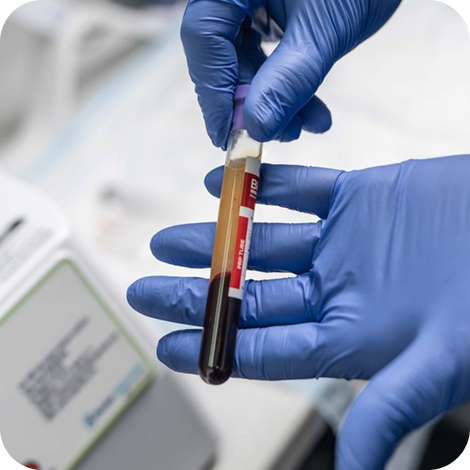
Trusted by Our Patients
From thinning hair to more complex patterns of hair loss, each patient journey is shaped around individual needs, concerns and goals.
From the ‘point of contact’ with Mr Asim Shahmalak and his colleagues, all options were laid out regarding my hair loss.I decided to opt for 2500 grafts via FUE and a course of PRP.Mr Shahmalak and his team put me at ease, before and during the surgery, and explained each process of the procedure.
From start to finish 10 days later the whole treatment was a positive experience. I have some needs and don’t always feel comfortable with people I don’t know, but at the clinic I felt like I did know everyone they were excellent at putting me at ease.
Thank you to Mr Shahmalak, Afshan and the team at Crown Hair Clinic. Thank you to Mr Shahmalak, Afshan and the team at Crown Hair Clinic. Both Mr Shahmalak and Afshan put me at ease straight away.
All the available options were explained regarding my hair loss. I decided to undergo 2,500 FUE grafts together with a course of PRP. The treatment and aftercare were carried out to a very high standard.
I’m really glad I chose Crown Clinic for my FUE hair transplant. Everyone was incredibly helpful, friendly and professional, and the entire experience was first class.
I opted for a FUT procedure and felt no pain. I was given clear aftercare instructions and was already seeing hair growth in the transplanted area after seven days.
Throughout the six-hour operation, I was kept fully informed. After the strip removal, the skilled technicians prepared and inserted the hairs into the recipient area. The entire service was first class.
One year on, I have eyebrows. I am so pleased with the result — I look like a different person altogether.
Crown Clinic brought an ordeal caused by previously poor surgery to an end — not only fixing the matter but making it a positive experience.
As the recipient of a 1980s plug-based hair transplant, I was nervous about another procedure. Dr. Shahmalak and his team completed such neat and precise work that my recovery was extremely quick.
My hair became very fine and thin following the birth of my daughter. The treatment I received from start to finish was first class, and I am so relieved that I chose Crown Clinic.
I booked an FUE procedure, and the day ran exactly as Dr. Shahmalak had explained. It is still early, but I am already very pleased with the results.
The whole experience was exceptional. Mr Shahmalak and his team were extremely professional and operated like a well-oiled machine. From my experience, you get what you pay for.
The conduct of the staff was outstanding and the care I received was exemplary. I would certainly recommend Crown Clinic to anyone considering an FUE procedure.
Really happy with my initial consultation. Dr. Shahmalak made me feel very welcome and comforting that he clearly is an expert in his field. A prompt surgery date was made as I wanted the procedure asap as I get married this year. Very pleased with the facilities and care on the day of surgery. All the grafts were removed by the Doc himself, his team were very friendly and made me feel comfortable.
On the day of surgery, everyone was so welcoming, informative, and professional. I have since received great aftercare and am really excited about seeing the full results.
I found my experience with Crown Clinic to be exceptionally caring and professional. I would unreservedly recommend them to other prospective patients.
Right from the first consultation everything was explained clearly. I was told what the. procedure would be and what area would be covered on my head and possibly more depending on the donor hair available. When I arrived, they were very professional and very reassuring.

From the first consultative phone call with Afshan to the procedure itself with Dr. Shahmalak and the postop care of his team, I found my experience with Crown Clinic to be exceptionally caring and professional. I would unreservedly recommend them to other prospective patients.
My experience with Dr. Shamalak and his entire team was nothing short of outstanding. Throughout the entire process their professionalism and patient care was front and fore always.
Initial delay with my initial contact response, but since then, everything has been ‘A1’. Made me feel very comfortable, knowledgeable about the procedure, kept informed at all times. Day of procedure went far better than expected, even got a cream cake!
The healing took a maximum of ten days. I followed all the aftercare instructions and was amazed by how quickly the healing progressed.
I had researched the FUT procedure and its outcomes, which Dr. Asim confirmed was the right approach for me. I felt comfortable, reassured and truly cared for throughout.
The skill and attention to detail were excellent. The FUT strip procedure went much more smoothly than I expected, and I feel confident it will transform my hair and restore my confidence.
As a woman experiencing hair loss, I was advised on the most appropriate procedure without having my head shaved. The care and attention I received throughout were outstanding.
Five months after the procedure, my eyebrows are growing all the time. My right eyebrow has practically grown through, and my left is slowly catching up. Thank you for changing the way I feel about myself.
Having previously undergone a hair transplant in Turkey, I began to witness superior results after my FUE procedure at Crown Clinic. The difference in communication, care and results was striking.
Having previously had a FUT procedure at another clinic, my FUE at Crown Clinic demonstrated just how professional the team are. I could already see how neat and precise the procedure had been.
As a woman experiencing hair loss and not wanting my head shaved, I was advised on the most appropriate procedure for me. The service was caring, private and completely patient-centred.
I had been researching FUE for a while, but after my consultation with Dr. Shahmalak, my mind was made up instantly. The process was seamless, and the post-surgery support was excellent.
Since my FUE hair transplant at Crown Clinic, I have begun to witness superior results compared with my previous transplant. The support, guidance and professionalism have left me utterly impressed.
I opted for 2,500 grafts via FUE and a course of PRP. The surgery, pre-care and aftercare were all carried out to a very high standard. I would highly recommend Crown Clinic.
Initial delay with my initial contact response, but since then, everything has been ‘A1’. Made me feel very comfortable, knowledgeable about the procedure, kept informed at all times.
Every stage of the procedure, including before and aftercare, was explained and documented in an easy to understand way. On the day of surgery the staff made me feel relaxed throughout and I was very impressed with The Crown Clinic facilities. Dr. Shamalak is outstanding at what he does and is a true gentleman. I felt very safe in his experienced hands throughout. I now look forward to seeing the results of their hard work over the coming months.
This was quite a nerve-wracking experience for me, but everyone in the Crown team put me at ease and made the experience as comfortable as it possibly could be. From my initial consultation, to the surgery itself, the procedure was explained openly and clearly, and ample opportunities given for questions.
Take The Next Step
Start with the right questions at Crown Clinic to find out whether PRP, another non-surgical option, or hair transplant surgery is best for your goals.
Frequently asked questions
Platelet Rich Plasma: a small sample of your blood is spun in a centrifuge to concentrate the platelets, and that concentrate is injected into the scalp.
No. Nothing is moved or implanted. PRP is an injection intended to support the follicles you already have, whereas a transplant relocates follicles from one part of the scalp to another.
No. PRP uses platelets from your own blood, not stem cells. The two are sometimes marketed together, but they are different treatments.
No. PRP does not create follicles that are not there. Where it helps, it does so by supporting existing follicles, which may show as reduced shedding or improvement in the hair already growing.
No. Where an area is fully bald the follicles are no longer active, and PRP has nothing to act on. It is intended for thinning rather than established baldness, and your clinician will say at assessment whether it is worth considering.
Clinical studies suggest PRP may improve hair density or hair count in some patients with pattern hair loss.
However, results vary and the evidence is not strong enough to guarantee benefit for every patient.
No.
Some patients respond better than others, and some may see little or no improvement.
Correct diagnosis and patient selection are important.
It may be considered for suitable men, particularly some patients with androgenetic or male pattern hair loss.
It may also be considered for suitable women.
Female hair loss can have several causes, so diagnosis is especially important before treatment.
The procedure involves multiple small injections into the scalp. Temporary discomfort, stinging or tenderness can occur during or shortly after treatment.
